A Participatory Public Campain for Bridging Generational Gaps: Designing Interactive Platforms and Communication Tools for Cross-Generational Dialogue



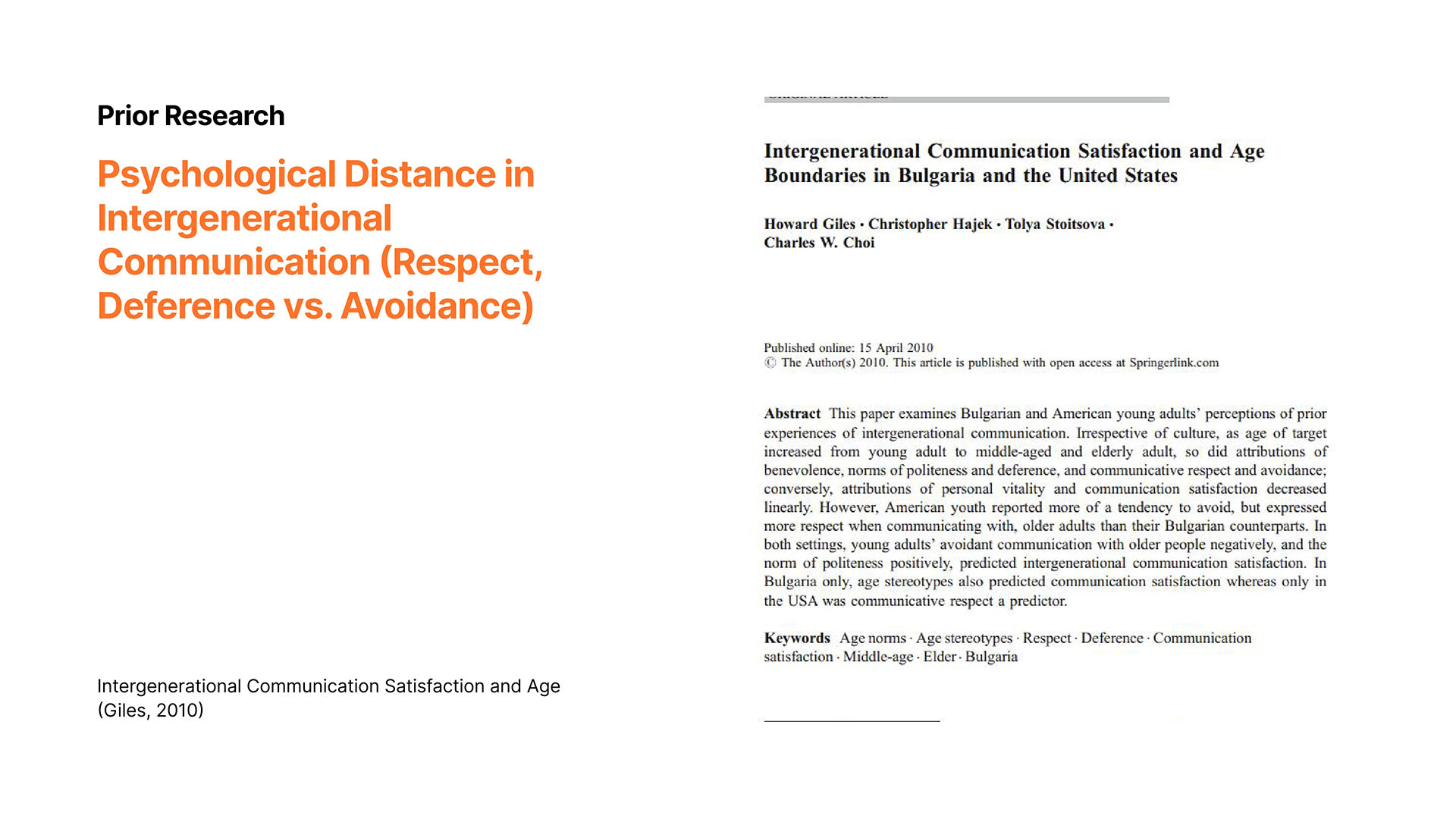
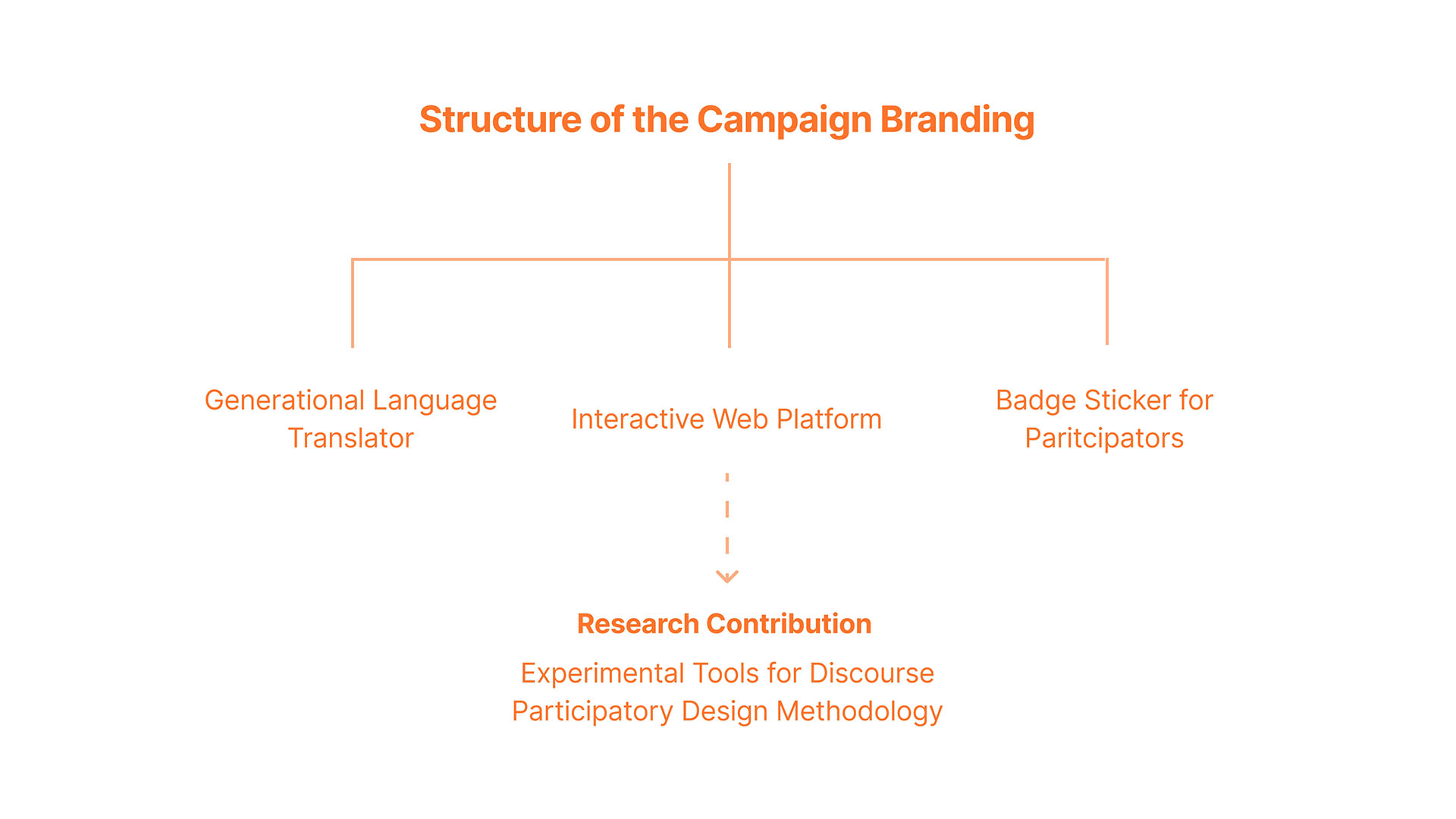
This study is titled "A Participatory Public Campaign for Bridging Generational Gaps: Designing Interactive Platforms and Communication Tools for Cross-Generational Dialogue." It stems from the social problem of communication disconnection, stereotypes, and difficulties in collaboration arising from the coexistence of diverse generations, ranging from Baby Boomers to Generation Z, in modern society. To address these issues, the researcher focused on the keyword "Connect," reinterpreting it not merely as a physical union but through Symbolic Interactionism, Gestalt theory, and Design Relations Theory. In other words, design is defined not as the delivery of fixed messages, but as a medium that induces emotional connection and co-creates meaning through user interaction. Analysis of prior research confirmed that age-related stereotypes affect communication satisfaction and that differences in generational language comprehension (e.g., abbreviations, neologisms) act as barriers to communication. Based on this, the study proposes design interventions to bridge the gaps caused by technological changes and differences in values. The core proposal of this project is an integrated on-offline branding campaign designed to enhance intergenerational understanding and foster empathy. The specific solution involves the design of three main elements. First is the "Generational Language Translator." This is an AI-based plugin service that explains or translates nuances in generational language. Similar to how Grammarly corrects spelling, this tool identifies the context of generational language to improve work efficiency and reduce misunderstandings in the workplace. Second is the "Interactive Web Platform." It is built as a digital space where users can participate to understand and experience generational differences, with plans for continuous improvement based on exhibition feedback. Third is the design of merchandise, such as "Badge Stickers for Participants," to encourage campaign participation and instill a sense of belonging. All these design elements are planned to function as experimental tools for discourse by applying participatory design methodology. Beyond simply resolving generational conflict, this study explores the potential for commercialization as a tool for intergenerational integration programs in public or educational institutions (middle/high schools and senior lifelong learning centers) or for improving organizational culture in companies. The overall schedule plans for the establishment of the logo and brand identity and 70% completion of the platform design in September, the Master Degree Show and secondary research in October, data analysis and thesis writing in November, and final thesis defense and submission in December. In conclusion, this project aims to contribute to creating a sustainable communication environment based on mutual respect and understanding by bridging the psychological distance between generations through design.
본 연구는 '세대 간 격차 해소를 위한 참여형 공공 캠페인: 세대 간 대화를 위한 상호작용 플랫폼 및 커뮤니케이션 도구 설계'를 주제로 한다. 현대 사회에서 베이비붐 세대부터 Z세대에 이르기까지 다양한 세대가 공존함에 따라 발생하는 의사소통의 단절과 고정관념, 그리고 협업의 어려움이라는 사회적 문제의식에서 출발했다. 연구자는 이러한 문제를 해결하기 위해 '연결(Connect)'이라는 키워드에 주목하였으며, 이를 단순히 물리적인 결합이 아닌 상징적 상호작용주의(Symbolic Interactionism)와 게슈탈트(Gestalt) 이론, 그리고 디자인 관계론(Design Relations Theory)을 통해 재해석했다. 즉, 디자인을 고정된 메시지 전달이 아닌 사용자 간의 상호작용을 통해 의미를 공동 창작(Co-creation)하고 정서적 연결을 유도하는 매개체로 정의하고 있다. 선행 연구 분석을 통해 연령에 대한 고정관념이 커뮤니케이션 만족도에 미치는 영향과 세대별 언어 이해도의 차이(줄임말, 신조어 등)가 소통의 장벽이 되고 있음을 확인하였으며, 이를 바탕으로 기술적 변화와 가치관의 차이를 좁힐 수 있는 디자인적 개입을 제안한다. 본 프로젝트의 핵심 제안은 세대 간 이해를 높이고 공감을 이끌어내기 위한 온-오프라인 통합 브랜딩 캠페인이다. 구체적인 솔루션으로는 세 가지 주요 요소를 설계하고 있다. 첫째, 세대 언어 번역기(Generational Language Translator)이다. 이는 AI 기술을 기반으로 세대 간의 언어 뉘앙스 차이를 해설해주거나 변환해주는 플러그인 형태의 서비스로, 마치 Grammarly와 같이 맞춤법을 교정하듯 세대 간 언어의 맥락을 짚어주어 직장 내 업무 효율을 높이고 오해를 줄이는 도구이다. 둘째, 상호작용 웹 플랫폼(Interactive Web Platform)이다. 사용자가 직접 참여하여 세대 간의 차이를 이해하고 경험할 수 있는 디지털 공간으로 구축되며, 전시 피드백을 반영하여 지속적으로 발전시킬 계획이다. 셋째, 캠페인 참여를 독려하고 소속감을 부여하기 위한 참여자용 배지 및 스티커(Badge Sticker for Participators)와 같은 굿즈 디자인이다. 이 모든 디자인 요소는 참여형 디자인 방법론을 적용하여 실험적인 담론 도구로서 기능하도록 기획되었다. 본 연구는 이러한 디자인 솔루션을 통해 단순히 세대 갈등을 봉합하는 것을 넘어, 공공 기관이나 교육 기관(중·고등학교 및 시니어 평생교육원)에서의 세대 통합 프로그램, 혹은 기업 내 조직문화 개선을 위한 도구로서의 상용화 가능성까지 모색하고 있다. 전체적인 일정은 9월 중 로고 및 브랜드 아이덴티티 확립과 플랫폼 디자인의 70%를 완료하고, 10월에는 석사 청구전(Master Degree Show)과 2차 리서치를 진행하며, 11월에 데이터 분석 및 논문 작성을 거쳐 12월에 최종 논문 심사와 제출을 완료하는 것으로 계획중이다. 결론적으로 본 프로젝트는 디자인을 통해 세대 간의 심리적 거리를 좁히고, 상호 존중과 이해를 바탕으로 한 지속 가능한 커뮤니케이션 환경을 조성하는 데 기여하고자 한다.